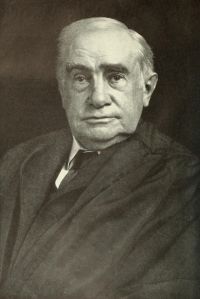
Sir John W. Salmond, Jurisprudence (1913)
“ The true rule is that a custom, in order to be deprived of legal efficacy, must be so obviously and seriously repugnant to right and reason, that to enforce it as law would do more mischief than that which would result from the overturning of the expectations and arrangements based on its presumed continuance and legal validity. We shall see, when we come to discuss the theory of precedent, how the authority of judicial decisions is, in general, similarly conditional rather than absolute; a precedent which is plainly and seriously unreasonable may be overruled instead of followed. ”