Lien (law)

Definition and stakes

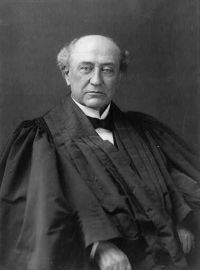
John Archibald Campbell,  Raymond v. Tyson — Dissent

“ This right, being both legal and equitable, the courts are naturally disposed to favor it, and not to impair or diminish its exercise, except under circumstances where it would be unreasonable to enforce it, and contrary to the intention of the parties.' And further, 'that the owner's right of lien is so far favored in law, that whilst he keeps possession, by his master and crew, it can only be excluded by the most express and absolute terms, or by a necessary implication from the contract.' And so are adjudged cases. ”
Source: Wikisource

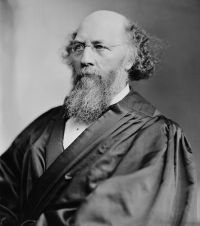
Portrait of Stephen Johnson Field Stephen Johnson Field,  Gould v. Day — Opinion of the Court

“ He thus united in himself the ownership of the State's lien and the title to the lands. This union of conflicting interests operated to merge the lesser interest in the greater, the lien in the title. One cannot have a lien upon his own property, except where equity interposes, and, to prevent a failure of justice, keeps the lien outstanding; and here there was no interference of equity, and no occasion for its interference. The rule of law took effect at once, and the State lien was eo instante merged in the plaintiff's general title. ”
Source: Wikisource

Francis William Raikes,  1911 Encyclopædia Britannica, Volume 16… (1911)

“ Of the same nature is the common-law lien of an innkeeper on the baggage of his customer for the amount of his account, he being under a legal obligation to entertain travellers generally. Another instance of the same class is where a person has obtained possession of certain things over which he claims to hold a lien in the exercise of a legal right. For example, when a lord of a manor has seized cattle as estrays, he has a lien upon them for the expense of their keep as against the real owner ”
Source: Wikisource

Get perspective with Kwize: daily news enlightened by great literature