“ The linseed varnishes are made by boiling refined linseed oils at a very high temperature. The linseed oil loses its acrid elements by volatilization, and gradually becomes thick and viscous, the various "numbers" or consistencies of these varnishes being dependent upon the length of time during which the oil is subjected to the process, and to the temperature applied.The dryers are made by adding to the linseed oil during the boiling, suitable oxidizing agents, such as compounds of lead or manganese, by means of which the oil is chemically affected, i.e. it is oxidized. ”
Linseed oil
Definition and stakes
Linseed oil, a yellowish oil obtained from flax seeds, is valued for its drying characteristics and wide range of applications in art, industry, and craftsmanship. Authors such as Henry A. Gardner discuss its chemical makeup and function in paints, while M. C. Hillick focuses on its ability to resist contamination in its unrefined state.
Elisha Noyce describes its transformation into a resinous substance when boiled with litharge, a key step in paint production. Arthur Jennings highlights sensory methods for assessing purity, underscoring its technical importance. These viewpoints together emphasize linseed oil’s lasting usefulness, connecting traditional techniques with contemporary uses in finishes, varnishes, and protective coatings.
Quotes about “linseed oil”
M. C. Hillick, Practical Carriage and Wagon Painting
“ The vehicle painter's practice of using raw linseed oil insures him somewhat against oil adulteration, as it is much more difficult to adulterate the raw linseed product than the boiled and have the fraud go undetected. A raw linseed oil when fresh and new is of a bright yellowish-green color, and as it grows older it becomes paler in color and perhaps a little brighter. When spread on a surface in a thin film and exposed to a pure dry air it will harden quite solidly in from forty-five to fifty hours. ”
Elisha Noyce, The Boy's Book of Industrial Information
“ Linseed oil has the power of drying when spread out in a thin layer, becoming of a resinous consistence like varnish, and upon this quality depends the drying powers of paint, for the other non-drying oils, as olive oil, may be exposed to the air for months without drying at all; the drying powers of linseed oil are greatly increased by boiling it with litharge (oxide of lead) . This forms the drying or boiled oil used in painting, and is employed in making varnishes, printers’ ink, and for other purposes. ”
Related terms
Authors who wrote about “linseed oil”
George TerryHenry A. GardnerJ. HarmondAn Old HandArnold James CooleyGeorge D. ArmstrongW. F. WhiteM. C. HillickAlbert LidgettGeorges FoucherFriedrich A. FlückigerArthur Seymour Jennings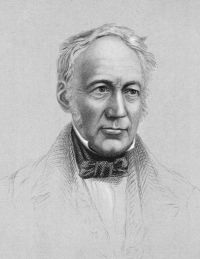 Andrew UreG. W. Septimus PiesseGeorge Franklyn Korinek
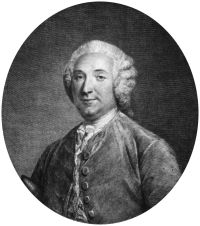 Pierre Joseph Macquer
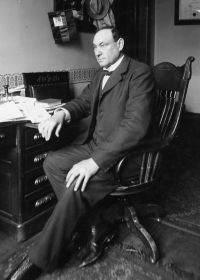 Harvey Washington WileyEdgar George ThomssenWilliam Thomas FernieDavid I. Davis
Andrew UreG. W. Septimus PiesseGeorge Franklyn KorinekPierre Joseph MacquerHarvey Washington WileyEdgar George ThomssenWilliam Thomas FernieDavid I. Davis