Litanies

Definition and stakes

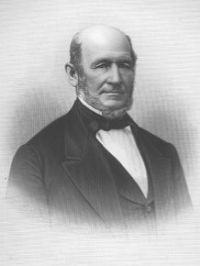
Portrait of Philip Schaff Philip Schaff,  Nicene and Post-Nicene Fathers… (1885)

“ Let therefore thy Experience look to the matter diligently, and enquire with all carefulness how many solemn litanies there have been from ancient times. Take care also to make enquiry by calling them, not the solemn, but the greater litanies; that when, through what the aforesaid deacon Adeodatus testified to us and what the letter of the aforesaid bishop John acknowledges, it shall appear how many of these solemn litanies there were, we, knowing how often the pallium used to be worn in litanies, may most willingly grant the privilege. ”
Source: Wikisource

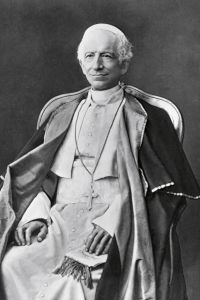
Portrait of Leo XIII Leo XIII,  The Great Encyclical Letters of Pope Leo XIII (1903)

“ No litanies except the ancient and common litanies contained in the breviaries, missals, pontificals, and rituals, as well as the Litany of Loretto, and the Litany of the Most Holy Name of Jesus already approved by the Holy See may be published without the examination and approbation of the ordinary.
20. No one, without license of legitimate authority, may publish books or pamphlets of prayers, devotions, or of religious, moral, ascetic, or mystic doctrine and instruction, or others of like nature, even though apparently conducive to the fostering of piety among Christian people
”
Source: Wikisource

Ruth Ellis Messenger,  The Medieval Latin Hymn

“ A litania septiformis was also organized by Gregory on the occasion of a pestilence at Rome. [10] The litania maior came to be observed on April 25, St. Mark’s day, and the litaniae minores in the three days preceding Ascension. Psalms but not hymns in the sense of non-scriptural compositions were heard in the litanies. The procession of supplication common alike to pagan and Christian practice is illustrated in the litanies, a constant motive and a constant observance in medieval rites. ”
Source: Gutenberg

Get perspective with Kwize: daily news enlightened by great literature