Mare (animal)

Definition and stakes

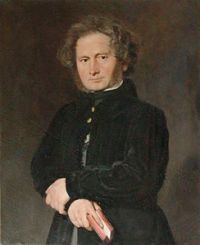
Portrait of Jean-Henri Fabre Jean-Henri Fabre,  Our Humble Helpers: Familiar Talks on the Domestic Animals (1918)

“ From its mother, the mare, it gets its powerful equine frame, its quick gait, its freedom of limb. Its rude strength, moderation in supplying its animal wants, power of enduring the utmost fatigue, indifference to extreme heat, make it one of the most useful animals, especially in hot climates where there are long spells of drought. ”
Source: Gutenberg

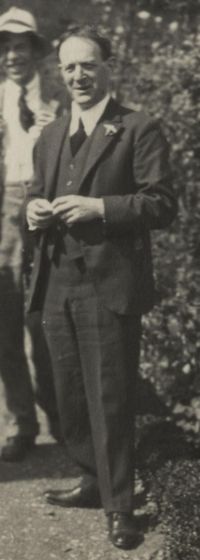
Portrait of Vicente Blasco Ibáñez Vicente Blasco Ibáñez,  Mare Nostrum (Our Sea): A Novel

“ From their refuge in the shadowy depths, these fish mount to the surface moved by the message of the spring, desirous of taking their part in the joy of the world. They swim one against another, close, compact, forming strata that subdivide and float out to sea. They look like an island just coming to the surface, or a continent beginning to sink. In the narrow passages the shoals are so numerous that the waters become solidified, making almost impossible the advance of a row boat. ”
Source: Gutenberg

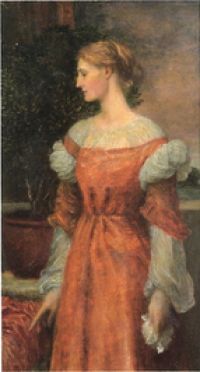
Portrait of Johann David Wyss Johann David Wyss,  The Swiss Family Robinson; or Adventures in a Desert Island

“ We happily doubled the promontory behind which the canoe had passed, and found ourselves in an extensive gulf, which narrowed as it entered the land, and resembled the mouth of a river. We did not hesitate to follow its course. We went round the bay, but found no traces of man, but numerous herds of the amphibious animal, called sometimes the sea-lion, the sea-dog, or the sea-elephant, or trunked phoca: modern voyagers give it the last name. These animals, though of enormous size, are gentle and peaceful, unless roused by the cruelty of man. ”
Source: Gutenberg

Get perspective with Kwize: daily news enlightened by great literature