Moralizing

Definition and stakes

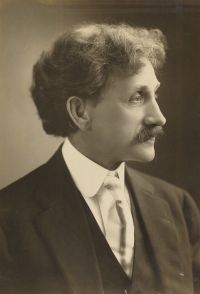
Portrait of Louisa May Alcott Louisa May Alcott,  An Old-Fashioned Girl (1869)

“ Any one might have lectured him for an hour without doing as much good as that little call and the chat that grew out of it, for, though nothing very wise or witty was said, many things were suggested, and every one knows that persuasive influences are better than any amount of moralizing. Neither Polly nor Will tried to do anything of the sort, and that was the charm of it. Nobody likes to be talked to, but nobody can resist the eloquence of unconscious preaching. With all his thoughtlessness, Tom was quick to see and feel these things, and was not spoilt enough yet to laugh at them. ”
Source: Gutenberg

Portrait of Friedrich Schiller Friedrich Schiller,  Aesthetical Essays of Friedrich Schiller

“ And, in fact, between the esteem and the contempt of himself has the truly moral man a more free choice than the slave of sense between pleasure and pain? Is there less of constraint there for a pure will than here for a depraved will? Must one, by this imperative form given to the moral law, accuse man and humble him, and make of this law, which is the most sublime witness of our grandeur, the most crushing argument for our fragility? ”
Source: Gutenberg

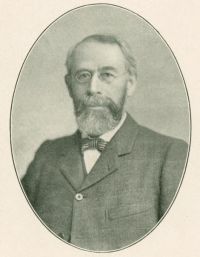
Portrait of John Fletcher John Fletcher,  Studies on Slavery, in Easy Lessons

“ What says this moral sense, this conscience, in the savage, who is taught to steal from his friend and torture his enemy? Does the reverend doctor think his moral sense will dictate the same conclusion? What right has he, then, to say, it is the voice of nature—of God? Does he fail to perceive that the moral quality of actions is distinguished by man in conformity to his experience, his training, his education?
We see that men often differ about the moral quality of an action. It might be that no two men would have the same idea about the moral quality of a particular action.
”
Source: Gutenberg

Get perspective with Kwize: daily news enlightened by great literature