Norm (ethics)

Definition and stakes

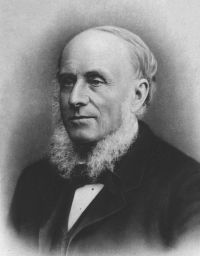
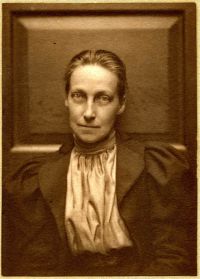
Portrait of Lucy Maynard Salmon Lucy Maynard Salmon,  Progress in the household

“ Alas, life is everywhere one long protest against a varying standard of ethics. Shall we separate the ethics of household service from the ethics of the shop, the ethics of the factory, the ethics of the professions? Shall we be governed by one code in the family, by another code in the church, by a third code in the school, and a fourth code in the state? Is the subject of ethics to be divided and pigeon-holed in compartments labeled “ethics for domestic service,” “ethics for skilled labor,” “ethics for unskilled labor,” “ethics for employers,” and “ethics for employees?” ”
Source: Gutenberg

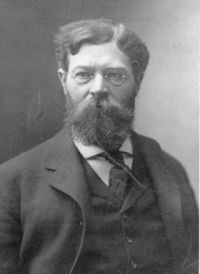
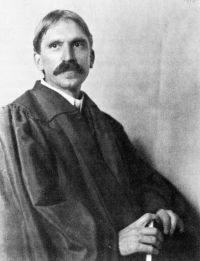
Portrait of Bertrand Russell Bertrand Russell,  What I believe (1925)

“ If I say that the legislative authority has bad desires, I mean merely that its desires conflict with those of some section of the community to which I belong. Outside human desires there is no moral standard.
Thus, what distinguishes ethics from science is not any special kind of knowledge, but merely desire. The knowledge required in ethics is exactly like the knowledge elsewhere; what is peculiar is that certain ends are desired, and that right conduct is what conduces to them.
”
Source: Gutenberg

George Henry Lane Fox Pitt-Rivers,  Conscience & Fanaticism: An Essay on Moral Values

“ The imposition of some recognized rules of conduct, safeguarding the security of life and property, is as necessary to the community as the existence of a coinage for the negotiation of commercial bargains; in fact it is more so. The two are analogous: the moral code must give effect to that first and universal principle of ethics expressed thus, "Do unto others as you would they should do unto you," which is only another way of saying, "You may expect others to treat you as you intend to treat them in similar circumstances." ”
Source: Gutenberg

Get perspective with Kwize: daily news enlightened by great literature