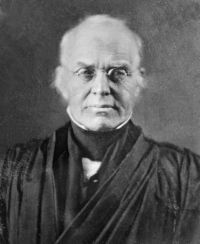
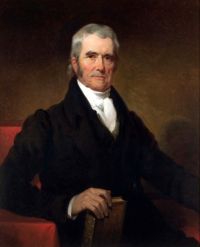
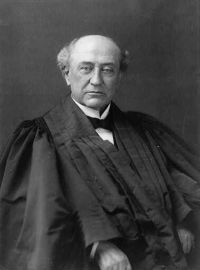
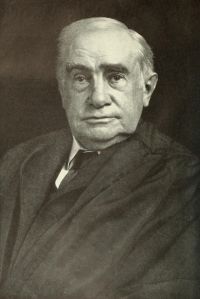
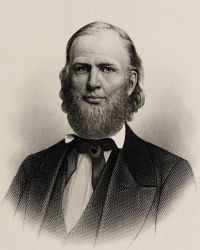
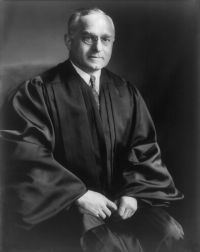
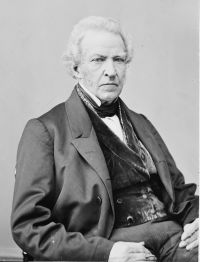
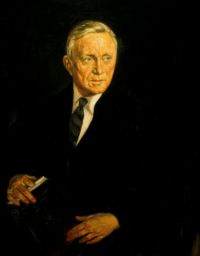
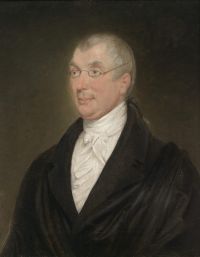
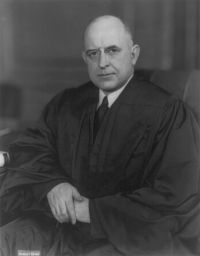
Original jurisdiction refers to a court’s authority to hear a case for the first time, distinct from appellate jurisdiction, which involves reviewing decisions from lower courts. In common law systems, this power is constitutionally defined, as seen in the U.S. Supreme Court’s original jurisdiction over disputes between states or involving federal officials, as outlined in Article III of the Constitution. Scholars such as John Marshall emphasized the constitutional limits on this authority, asserting that legislative bodies cannot alter jurisdictional boundaries established by the Constitution.
Joseph Story examined how original jurisdiction interacts with appellate functions, pointing out that higher courts cannot rectify errors stemming from the absence of original jurisdiction. In India, the Supreme Court’s original jurisdiction encompasses constitutional disputes and conflicts between states, reflecting a comparable structural role. These diverse interpretations highlight original jurisdiction’s essential role in shaping judicial hierarchies and constitutional governance.
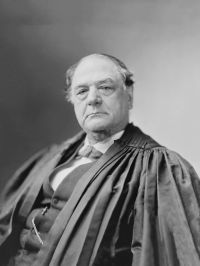 Noah Haynes Swayne,
Daniels v. Railroad Company — Opinion of the Court
Noah Haynes Swayne,
Daniels v. Railroad Company — Opinion of the Court