Pall (funeral)

Definition and stakes

Hugo Erichsen,  The cremation of the dead

“ No thought of physical corruption jars upon our memories of the dead. The opening words of the speaker are said, a hidden choir harmoniously chants of hope and life, and now the end has come. With the words ‘ashes to ashes’ a white pall is thrown over the dais, and we have looked upon our friend for the last time. The dais noiselessly sinks from sight, a short hour is spent in listening to a funeral oration, or in contemplation, until the dais, still covered with the pall, rises from below. ”
Source: Gutenberg

Oscar Chrisman,  The Historical Child

“ At the funeral of a boy there would sometimes be boys of about the same age as the deceased to act as nominal pallbearers to walk alongside the coffin borne by stronger young men. When a young child or girl was buried, sometimes the pall-bearers were girls, all dressed in white and wearing long white veils. ”
Source: Gutenberg

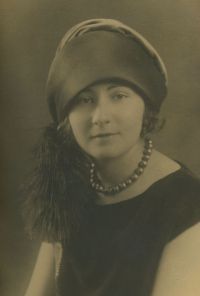
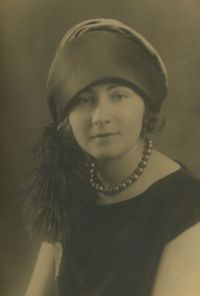
Portrait of Lillian Eichler Watson Lillian Eichler Watson,  Book of Etiquette, Volume I

“ It is not necessary to appoint pall-bearers for a home funeral. A quiet reserve and dignity should characterize the occasion, and it should be carried out with the greatest amount of expediency possible. If music is desired, the musicians or choristers should be in an adjacent room and the notes should be very low and soft.
Women do not remove their wraps during the ceremony, and men carry their hats in their hands. The women members of the bereaved family enter on the arms of masculine relatives, and if they intend going to the cemetery, they wear their hats and veils.
”
Source: Gutenberg

Get perspective with Kwize: daily news enlightened by great literature