Palm nut

Definition and stakes

Gerald C. Dudgeon,  The agricultural and forest products of British West Africa (1922)

“ The third kind is that frequently called the “Fetish” or “King” palm nut. It is rare wherever it occurs, and is scarcely worth consideration from an economic standpoint. The tree which bears this fruit has been described under the distinct specific name of Elæis Thompsoni, Chevalier.
Fruiting heads generally small. Fruits medium-sized, red with black markings occasionally present. Pericarp moderately thick, kernel and shell medium. The nuts, which possess four eyes, are not used in the manufacture of commercial oil, but are employed in connection with the worship of the deity Ifa (Dennett) .
”
Source: Gutenberg

W. Pridden,  Australia, its history and present condition

“ The pulp of the nut of a species of palm is called by-yu, and it is a curious fact, that, although in its natural state this is a rank poison, the natives have, nevertheless, a method of depriving it of its mischievous qualities, and it becomes an agreeable and nourishing article of food. Europeans, ignorant of the mode of preparing this nut, are sure to pay for their rashness, if they venture to eat it in its unprepared state. ”
Source: Gutenberg

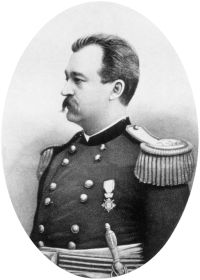
Portrait of Edward Carpenter Edward Carpenter,  From Adam's Peak to Elephanta (1892)

“ The coco-nut palm is everything to the Cinghalese: they use the kernel of the nut for food, either as a curry along with their rice, or as a flavoring to cakes made of rice and sugar; the shell serves for drinking cups and primeval spoons; the husky fibre of course makes string, rope, and matting; the oil pressed from the nut, in creaking antique mills worked by oxen, is quite an article of commerce, and is used for anointing their hair and bodies, as well as for their little brass lamps and other purposes ”
Source: Gutenberg

Get perspective with Kwize: daily news enlightened by great literature