Parliamentary democracy

Definition and stakes

J. W. Sullivan Direct Legislation by the Citizenship through the Initiative and Referendum

There is some reason for regarding parliamentary government—at least under its classic and orthodox form of rivalry between two parties, who watch each other closely, in order to profit by the faults of their adversaries, who dispute with each other for power without the interests of the country, in the ardor of the encounter, being always considered—as a transitory form in the evolution of democracy.
Source: Gutenberg

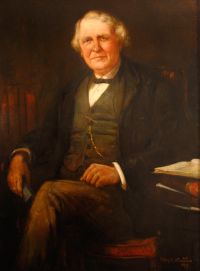
Portrait of Joseph Clayton Joseph Clayton The Rise of the Democracy

For when Parliamentary representation is confined to those who are willing to be the mechanical implements of party leaders and managers, the House of Commons becomes an assembly of place-hunters and self-seekers, for whom the profession of politics affords the gratification of vanity or enrichment at the public expense. In such an assembly the self-respecting man with a laudable willingness to serve the State is conspicuous by his absence.
Source: Gutenberg

René Brunet The New German Constitution

Parliamentary government has been accepted but it is mistrusted. There have also been introduced a whole series of measures such as the referendum, initiative, the nomination and the impeachment of the President by the people, which are not only logical applications of the democratic principle, but which are also assurances against any possible misdeeds of parliamentarism. This is a splendid proof of trust in democracy. It is for the future to say whether it is justified.
Source: Gutenberg

Get perspective with Kwize: daily news enlightened by great literature