Political status

Definition and stakes

Portrait of John Stuart Mill John Stuart Mill Considerations on Representative Government (1861)

A place where every interest and shade of opinion in the country can have its cause even passionately pleaded, in the face of the government and of all other interests and opinions, can compel them to listen, and either comply, or state clearly why they do not, is in itself, if it answered no other purpose, one of the most important political institutions that can exist any where, and one of the foremost benefits of free government.
Source: Gutenberg

John R. Dos Passos The Anglo-Saxon Century and the Unification of the English-Speaking People

They go to the form and substance of government, not to its policy, as in America, where every party cry, radical or conservative, is attuned to the music of a republican federation, and which is the sine qua non to all political conclusions. How can a nation progress until its people have chosen, or are competent to choose, a stable form of government, and are satisfied with certain organic political principles?
Source: Gutenberg

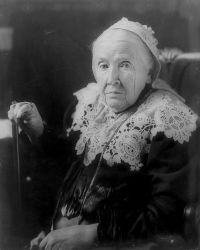
Portrait of Emma Goldman Emma Goldman The Individual, Society and the State (1940)

The State, government with its functions and powers, is now the subject of vital interest to every thinking man. Political developments in all civilized countries have brought the questions home. Shall we have a strong government? Are democracy and parliamentary government to be preferred, or is Fascism of one kind or another, dictatorship - monarchical, bourgeois or proletarian - the solution of the ills and difficulties that beset society today?
Source: Wikisource

Get perspective with Kwize: daily news enlightened by great literature