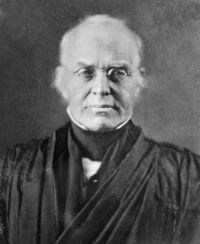
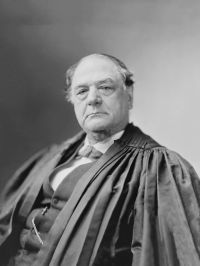
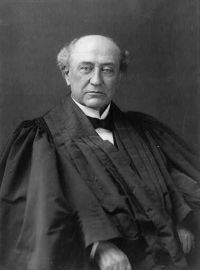
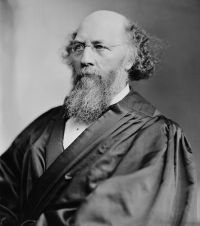
A prize court is a legal institution historically responsible for determining the legality of the capture of ships or cargo during wartime, deciding their disposition through condemnation, sale, or return. These courts became prominent during 17th- to 19th-century naval conflicts, functioning under different legal systems: the U.S. federal courts, Britain’s Admiralty Court, and France’s Conseil des prises, each aligning with their respective national laws. Scholars such as Horace Gray stressed their function in reconciling the rights of captors with the claims of those affected, while Joseph Story emphasized their grounding in the law of nations.
L. Oppenheim pointed out their role in implementing international rulings within British territories. Although their significance has waned with the advent of modern warfare and administrative mechanisms like navicert, prize courts played a crucial role in shaping maritime law, illustrating the development of principles related to sovereignty and neutrality. Their influence continues to be evident in the regulations governing enemy property and the rights of belligerents.