Pruning shears

Definition and stakes

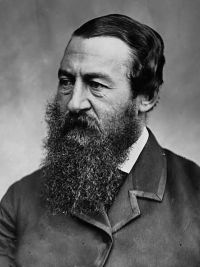
Portrait of Jean-Henri Fabre Jean-Henri Fabre,  Field, Forest and Farm (1919)

“ Pruning is done very late, when the young shoots are already some centimeters long. The sap used up in the growth of the shoots cut off by the pruning shears is a great loss to the tree, which, being no longer able to supply ample nourishment to the lower buds of the branches, turns them into flower-buds. ”

Source: Gutenberg

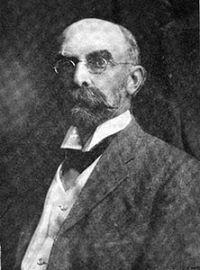
Portrait of L. H. Bailey L. H. Bailey,  American Grape Training

“ As a rule, too much wood must be allowed to grow, and the soil about arbors is rarely ever cultivated. Still, fair results in fruit can be obtained if the operator makes a diligent use of the pruning shears. It is usually best to carry one main or permanent trunk up to the top or center of the arbor. Along this trunk at intervals of two feet or less, spurs may be left to which the wood is renewed each year. If the vines stand six feet apart about the arbor—which is a satisfactory distance—one cane three feet long may be left on each spur when the pruning is done. ”
Source: Gutenberg

Northern Nut Growers Association…

“ Practical experience, however, in growing these trees for fruiting, shows the great importance of systematic pruning. It is a common occurrence to see a young tree with straggling and irregular growths. Very frequently we see that growth takes place on part of the tree only, leaving the other part undeveloped, which would throw the tree very much out of balance in course of time. Pruning should begin early in the life of the young tree and as soon as it leaves the nursery the pruning shears should be in evidence. ”
Source: Gutenberg

Get perspective with Kwize: daily news enlightened by great literature