Railway engine

Definition and stakes

Sir Cusack P. Roney,  Rambles on Railways

“ The wave of a white flag by day, a white lamp by night, is railway language for “Yes,”—a sharp decisive whistle from the foremost guard,—whether the sound be heard above the hissing of the escaping steam or the motion only be perceived it matters not, the engine driver understands it,—up goes his regulator, on goes his steam, the fireman (who has freed his break as soon as the engine is ready for starting) looks to the rear of the train as it begins to move from the station. If the engine don’t “slip,” the regulator, further raised, admits more steam to the cylinder ”
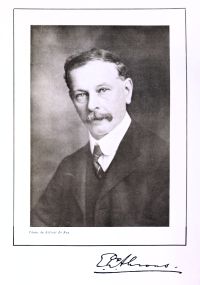
Source: Gutenberg

Sir Cusack P. Roney,  Rambles on Railways

“ If a railway were completely level, it would only be necessary, in the construction of engines for working it, to make them with as little weight of material as possible, consistent with the strength and solidity required for their complete efficiency. But as a railway on, or very nearly on, the level, does not exist, it is necessary, in building engines, to give them such weight as, in addition to their steam power, will ensure them efficient adhesion upon the railway. On railways with favourable gradients the additional weight of engine is trifling ”
Source: Gutenberg

Railway Adventures and Anecdotes…

“ In referring thus to the railway works, he must refer also to the improvement of the locomotive engine. This was as remarkable as the other works were gigantic. They were, in fact, necessary to each other. The locomotive engine, independent of the railway, would be useless. They had gone on together, and they now realized all the expectations that were entertained of them. It would be unseemly, as it would be unjust, if he were to conceal the circumstances under which these works had been constructed. No engineer could succeed without having men about him as highly-gifted as himself. ”
Source: Gutenberg

Get perspective with Kwize: daily news enlightened by great literature