Railway freight train

Definition and stakes

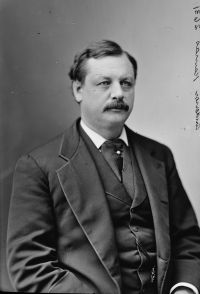
Portrait of Thomas Curtis Clarke Thomas Curtis Clarke,  The American Railway: Its Construction…

“ On most railroads the freight trainmen—engineers, conductors, brakemen, and firemen—are the most numerous and prominent class, as the number of freight trains is generally larger than that of passenger trains; and among these men there are more brakemen than anything else, because there are two or more on every train, while there is but one of each of the other classes. ”
Source: Gutenberg

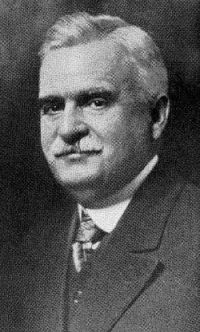
Portrait of Charles DeLano Hine Charles DeLano Hine,  Letters from an old railway official… (1904)

“ Roads of dense traffic with much low-class freight, such as coal, coke, ore, pig iron, etc., to move, found it more economical to have large engines and heavy trains. The nature of the business demands a considerable supply always on hand. This permits waiting for full tonnage for every train. A few cars, more or less, at one end or the other of the line make no great difference to the shipper. These roads usually have more than one track and an old solid roadbed. ”
Source: Wikisource

T. R. Agg,  American Rural Highways

“ It costs today as much to haul a ton of farm produce ten miles to a railway station as it does to haul it a thousand miles over a heavy-traffic trunk-line railway. It often costs more today to transport a ton of merchandise from its arrival in a long train in the freight yard on the outskirts of a great city to its deposit in the warehouse of a merchant four or five miles away than it has cost to haul it over a thousand miles of railway line. ”
Source: Gutenberg

Get perspective with Kwize: daily news enlightened by great literature