Rein (grooming)

Definition and stakes

New York State College of Agriculture,  Cornell Nature-Study Leaflets

“ The difference between the two ways does not end in sowing and germination of seed, but continues all summer until the end of the season. Billy Boy will care for the soil by combing it with a rake several times a week, with the same care and affection with which the lover of a horse will groom the animal each morning. The chum will think the plants are all like goats, and ought to live with almost any chance. Billy Boy will have no weeds among his plants and his chum will have them in great numbers. ”
Source: Gutenberg

G. F. Scott Elliot,  The Romance of Plant Life

“ Once upon the ground, the seed has to germinate if it can; its root has to pierce the soil or find a way in between crevices of rocks or sharp-edged stones. All the time it is exposed to danger from birds, beasts, and insects, which are only kept off by its resin. But it is difficult to see, for its colour is just that of dead pine needles and its shape is such that it easily slips into crevices. Then the seven or eight small green seed leaves break out of the tough seed coat, and the seedling is now a small tree two inches high. ”
Source: Gutenberg

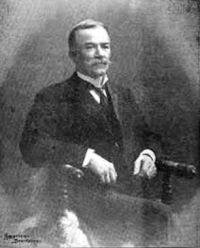
Portrait of Frank Benton Frank Benton,  Bee Keeping

“ Rape can be grown successfully in the North for pasturage, for green manuring, or for seed, and when permitted to blossom yields considerable pollen and honey. Winter varieties are sown late in the summer or early in the autumn, and blossom in April or May following. This early yield forms an excellent stimulus to brood rearing. Summer or bird rape, grown chiefly for its seed, blossoms about a month after sowing. It does best during the cooler months of the growing season.
Russian or hairy vetch is a hardy leguminous plant of great value for forage and use in green manuring.
”
Source: Gutenberg

Get perspective with Kwize: daily news enlightened by great literature