Relic (religion)

Definition and stakes

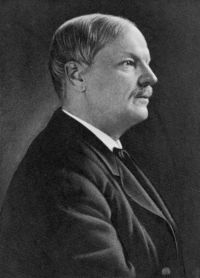
Portrait of Henry Osborn Taylor Henry Osborn Taylor,  The Mediaeval Mind (Volume 1 of 2…

“ Nor is there need to enlarge upon the relic-worship and other superstitions of the Middle Ages. One sees such matters on every side. It was all a matter of course, and disapprovals were rare. Such conceptions of sin and the devil’s part in it affected the morality of clergy as well as laity. The morals of the latter could not rise above those of their instructors; and the layman’s religion of masses, veneration of relics, pilgrimages, almsgiving and endowment of monasteries, scarcely interfered with the cruelty and rapine to which he might be addicted. ”

Source: Gutenberg

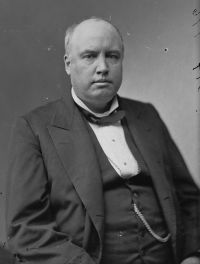
Portrait of Brooks Adams Brooks Adams,  The Law of Civilization and Decay… (1896 | notes)

“ In one of his Saints' Days sermons he explained the waste of relic worship as shrewdly as a modern man of business:—
"It would be to the benefit of the Church, and to the honour of the saints, if the costly ornaments so foolishly lavished upon their graves were divided among the poor, I am well aware, however, that the man who would sharply and fully expose this error would be held for a manifest heretic by the image worshippers and the greedy people who make gain of such graves
”
Source: Wikisource

J. H. Ward,  The Hand of Providence

“ No doubt one reason why relic-worship became so extensive, was the encouragement given to it by the Roman pontiffs. It was boldly asserted that the possession of a relic was a specific against evil spirits, accidents, disease, and, in short, nearly every evil to which humanity is heir. Hence the great demand for relics by the ignorant and superstitious, and the vast sums of money which were thus poured into the treasury of the church of Rome. ”
Source: Gutenberg

Get perspective with Kwize: daily news enlightened by great literature