Replacement cost

Definition and stakes

Roy B. Kester,  Accounting theory and practice… (1922)

“ Maintenance has to do with those costs which maintain an asset in good operating condition; repairs have to do with those costs necessary to put an asset in operating condition after a condition of inefficiency has been reached which the maintenance costs have not been able to prevent; a replacement cost is incurred when it becomes necessary to replace some part or the whole of an asset, neither maintenance cost nor repair costs having been able to maintain the asset in efficient operating condition. Where only a part of an asset is to be replaced, it is often spoken of as a renewal of parts. ”

Source: Gutenberg

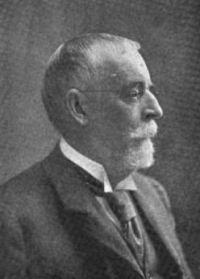
Portrait of James Clark McReynolds James Clark McReynolds,  Pacific Gas Electric Company v…

“ Physical depreciation, for example, if an accumulation is necessary to provide for replacement, ought to be provided beforehand from the rates of users of the service which caused the machine to wear out. But where replacement is made on account of obsolescence or inadequacy and economy is effected in costs, that economy can with fairness be devoted to reimbursement for the replacement cost, the rates remaining unchanged. ”
Source: Wikisource

George Sutherland,  United Rys Electric Company of Baltimore v…

“ There are those who maintain that the obligation of the consumer is one rather of replacement-building for building, machine for machine. According to this view depreciation should be based on replacement cost rather than actual cost. The replacement theory substitutes for something certain and definite, the actual cost, a cost of reproduction which is highly speculative and conjectural and requiring frequent revision. It, moreover, seeks to establish for one expense a basis of computation fundamentally different from that used for the other expenses of doing business. ”
Source: Wikisource

Get perspective with Kwize: daily news enlightened by great literature