Rice harvest

Definition and stakes

Huron H. Smith,  Ethnobotany of the Ojibwe Indians

“ Raspberries and dewberries are cooked into jams, cranberries are cooked with maple sugar into a jelly, and circles of squash are strung on a basswood bark string. Men and women are busy at the shallow lake harvesting wild rice, and all are very active. Sundays they will stop for a pow-wow or dream dance, but not if it is the wild rice harvest time. ”
Source: Gutenberg

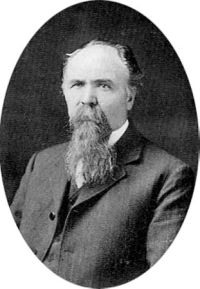
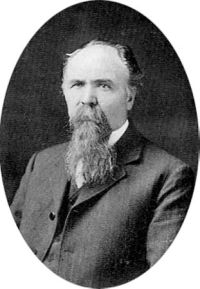
Portrait of F. H. King F. H. King,  Farmers of Forty Centuries; Or…

“ Wherever paddy fields are practicable there rice is grown. In the three main islands of Japan 56 per cent of the cultivated fields, 11,000 square miles, is laid out for rice growing and is maintained under water from transplanting to near harvest time, after which the land is allowed to dry, to be devoted to dry land crops during the balance of the year, where the season permits.
To anyone who studies the agricultural methods of the Far East in the field it is evident that these people, centuries ago, came to appreciate the value of water in crop production as no other nations have.
”
Source: Gutenberg

Portrait of James George Frazer James George Frazer,  The Golden Bough: A Study in Magic and Religion…

“ When the seed of the rice is about to be sown in the nursery or bedding-out ground, where under the wet system of cultivation it is regularly allowed to sprout before being transplanted to the fields, the best grains are picked out to form the Rice-mother. These are then sown in the middle of the bed, and the common seed is planted round about them. The state of the Rice-mother is supposed to exert the greatest influence on the growth of the rice; if she droops or pines away, the harvest will be bad in consequence. ”
Source: Gutenberg

Get perspective with Kwize: daily news enlightened by great literature