Riding whip

Definition and stakes

Elizabeth Karr,  The American Horsewoman

“ In reality, however, all the Parisian's ease and grace are the results of careful training, but so perfect is the instruction that art is made to appear like nature.
In selecting a riding whip care should be taken to secure one that is straight and stiff; if it be curved, it may accidentally touch the horse and make him restless; if flexible it will be of no use in managing him. The handle of the whip may be very plain, or the lady may indulge her taste for the ornamental by having it very elaborate and rich, but she should be careful never to sacrifice strength to appearances.
”
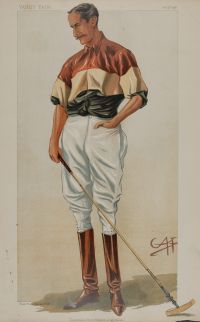
Source: Gutenberg

H. L. de Bussigny,  Hand-book for Horsewomen

“ Although her single spur is at times a most valuable adjunct to a lady, it should never be worn by beginners, nor until its use has been thoroughly taught in the course of study.
It is with regret that I see the riding-whip becoming superseded by the handle of the English hunting-crop, as this is neither rational nor practical, being too short and light to replace the right leg advantageously or to give efficient punishment if it is needed. A good whip, flexible, without being limp, rather long than short, not too heavy, but well balanced, is best, especially in the riding-school.
”
Source: Gutenberg

Belle Beach,  Riding and Driving for Women

“ Before using a whip, however, for punishment, be sure you hold the reins firmly in the left hand and that the horse is well gathered, otherwise he will start forward when you whip him and may get away from you. In fact, it is most important always to gather the reins well in the left hand before even touching your horse with the whip, as otherwise you will have the horse going in a series of jumps, which is not only very bad form but uncomfortable for every one in the trap. ”
Source: Gutenberg

Get perspective with Kwize: daily news enlightened by great literature