Right to strike

Definition and stakes

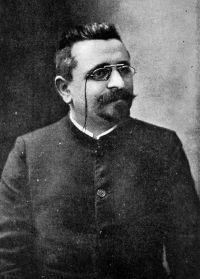
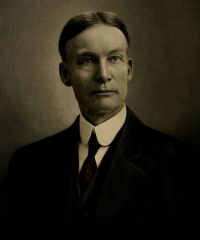
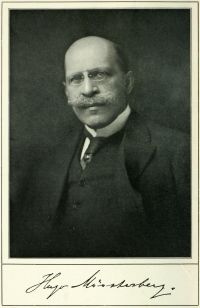
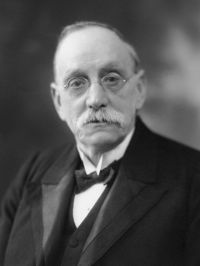
Portrait of William Bennett Munro William Bennett Munro,  Social Civics (1922)

“ The Right to Strike.—The chief weapon in the hands of organized labor is the right to strike. A strike is a “concerted withdrawal from work by a part or all of the employees in an establishment, or several establishments, to enforce a demand on the part of the employees”. Strikes are called by officials of the unions when it appears that the demands of the workers cannot be enforced in any other way. ”
Source: Gutenberg

Benjamin R. Tucker,  Instead of a Book — The Individual… (1897)

“ Suppose the decision is adverse to the strikers. They are bound to accept it, the arbitration being compulsory, or suffer the penalty,—for there is no law without a penalty. What then has become of their right to strike? It has been destroyed. They can ask for what they want; a higher power immediately decides whether they can have it; and from this decision there is no appeal. Labor thus would be prohibited by law from struggling for its rights. And yet labor is so short-sighted that it asks for this very prohibition!—Liberty, November 19, 1892. ”
Source: Wikisource

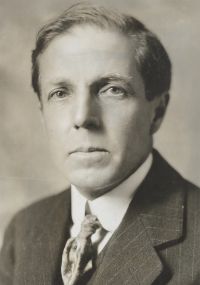
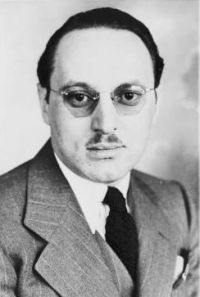
Portrait of Theodore N. Kaufman Theodore N. Kaufman,  Germany Must Perish! (1941)

“ Granting labor has the right to strike when its rights are violated, granting that capital withhold itself from circulation when it feels its usage unprofitable, granting that the civilian feels tyrannized when his civil liberties are jeopardized, what course may the soldier not take once he realized he has been cheated, once too often, out of that for which he killed? ”
Source: Wikisource

Get perspective with Kwize: daily news enlightened by great literature