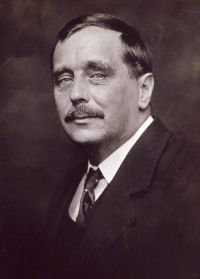
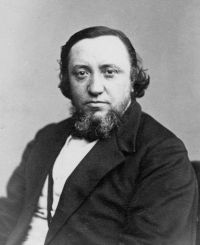
Utopia, a literary concept rooted in the envisioning of an ideal society, has long captivated writers as both a beacon of hope and a lens for critiquing reality. From Victor Hugo’s Ninety-Three, where utopian ideals clash with political violence, to H.G. Wells’ A Modern Utopia, which frames such visions as fragile and fraught with practical limitations, authors have explored its contradictions.
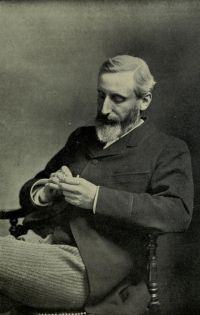
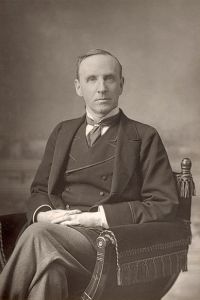
Benjamin Ward Richardson saw utopia as a temporal promise, while Grant Allen emphasized its transformation into a pragmatic compromise. These perspectives reveal utopia as a dynamic interplay between aspiration and the intricacies of human affairs, reflecting enduring tensions between idealism and reality.
 Victor Hugo,
Ninety-Three
(1900)
Victor Hugo,
Ninety-Three
(1900)