Sack (unit)

Definition and stakes

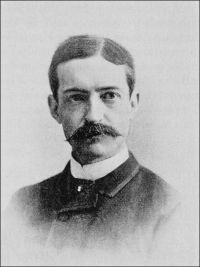
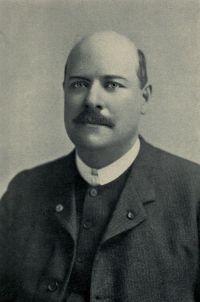
Portrait of François Rabelais François Rabelais,  Gargantua and Pantagruel (1534)

“ Some say in your world that sack is a word used in all tongues, and justly admitted in the same sense among all nations; for, as Aesop’s fable hath it, all men are born with a sack at the neck, naturally needy and begging of each other; neither can the most powerful king be without the help of other men, or can anyone that’s poor subsist without the rich, though he be never so proud and insolent; as, for example, Hippias the philosopher, who boasted he could do everything. Much less can anyone make shift without drink than without a sack. ”
Source: Gutenberg

E. K. Chambers,  The Mediaeval Stage, Volume 1… (1903)

“ The sacci are interesting, for English nurses frighten children with a threat that the chimney-sweep (here as in the May-game inheriting the tradition on account of his black face) will put them in his sack. The beneficent Christmas wanderers use the sack to bring presents in; cf. the development of the sack in the Mummers’ play (p. 215) . ”
Source: Gutenberg

Portrait of Ellis Parker Butler Ellis Parker Butler,  Philo Gubb, Correspondence-School Detective

“ In the first place there are easier ways of terminating one’s life; in the second place a man can jump into the river with perfect ease without going to the trouble [Pg 337] of sewing himself in a sack; and in the third place it is exceedingly difficult for a man to sew himself into a sack. It is almost impossible.
To sew himself into a sack a man must have no little skill, and he must have a large, roomy sack. He takes, let us say, a sack-needle, threaded with a good length of twine
”
Source: Gutenberg

Get perspective with Kwize: daily news enlightened by great literature