Salt cellar

Definition and stakes

F. Barham Zincke,  A walk in the Grisons (1875)

“ If the cellar of a house does not prove good, that is to say, if it should prove incapable of keeping wine, cheese, milk, beer, meat, and in these days potatoes, from the cold of winter and the heat of summer, the house itself is of little value. This large rock-cellar doubtless answered well the purpose for which it was designed. I pictured it to myself stored with hogsheads of wine, barrels of flour, salt beef and bacon, and tiers of cheese, against the annually recurrent siege of winter, or an expected summer siege from the lord of some neighbouring castle. ”
Source: Gutenberg

Arthur Hayden,  Chats on Old Silver

“ From the rare Henri II majolica of the sixteenth century to the humble trencher salt, the range of salt cellars is a comprehensive one. The most sumptuous examples, set in a magnificence of chased design exhibiting the finest craftsmanship of the goldsmith and silversmith, command high prices on account of their rarity, and old salts of exceptional character place their collecting in the hands of the elect whose cabinets are known all over the world. ”
Source: Gutenberg

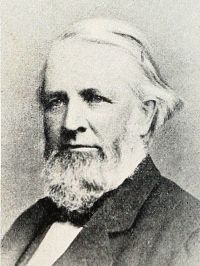
Portrait of Henry F. French Henry F. French,  Farm drainage

“ No person needs to be informed that it is unhealthful, as well as inconvenient, to have water, at any time of the year, in the cellar. In New England, the cellar is an essential part of the house. All sorts of vegetables, roots, and fruit, that can be injured by frost, are stored in cellars; and milk, and wine, and cider, and a thousand "vessels of honor," like tubs and buckets, churns and washing-machines, that are liable to injury from heat or cold, or other vicissitude of climate, find a safe retreat in the cellar. ”
Source: Gutenberg

Get perspective with Kwize: daily news enlightened by great literature