Slave owner

Definition and stakes

Henry A. Murray,  Lands of the Slave and the Free…

“ As, however, among so many masters, some will be cruel and do their utmost to negative any merciful laws which the State may enact, I would for the protection of the slave propose that, if he feel discontented with the treatment of his master, he be allowed to claim the right of being publicly sold, upon giving a certain number of days' warning of such desire on his part; or if he can find any slave-owner who will give the price fixed by law—as before suggested—and is willing to take him, his master to be bound to deliver him up. ”
Source: Gutenberg

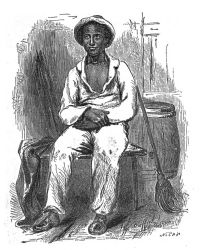
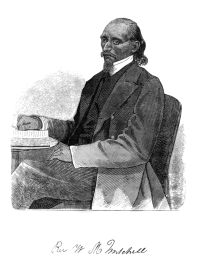
Portrait of William M. Mitchell William M. Mitchell,  The Under-Ground Railroad (1860)

“ Slavery steals from mother's arms their dear ones, and leaves them to mourn their loss. The Slave laws are not obsolete, as some would have you believe, but strictly conformed to, when the interest of the owner requires it. Another case, just in point, is that of Mrs. Forester, of Washington city, the capital of the United States, who sold one of her Slaves his liberty, for three hundred dollars, but his wife and three children remained her property, as he was unable to purchase them. ”
Source: Wikisource

Portrait of John Fletcher John Fletcher,  Studies on Slavery, in Easy Lessons

“ LESSON VII. The benefit of the slave-owner depends on a different principle, upon the wisdom, propriety, and prudence with which he governs and manages his slaves. If he neglect their morals, suffering them to become idle, runaways, dissolute, thieves, robbers, and committers of crime, he is made, to some extent, responsible; or if he neglect to supply suitable clothing, food, and medicine, attention in sickness, and all other necessary protection, he is liable to great loss ”
Source: Gutenberg

Get perspective with Kwize: daily news enlightened by great literature