Sophrosyne

Definition and stakes

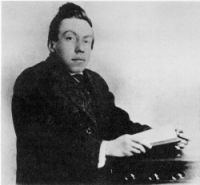
J. A. K. Thomson,  Greeks & Barbarians

“ This Sophrosyne (one of the cardinal Greek virtues and the most characteristic of all) confronts us at the outset of any study of the Hellenic temperament. To understand the one is to understand the other. Complete understanding is of course impossible, but we may get nearer and nearer to the secret.
Sophrosyne is the “saving” virtue. That means little—or nothing—until it is steeped in the colours of the Greek temperament, and viewed in the Greek attitude to life. Well then, the Greek attitude to life—how shall we describe that?
”
Source: Gutenberg

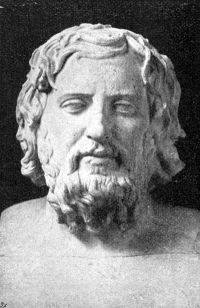
Portrait of Gilbert Murray Gilbert Murray,  Five Stages of Greek Religion

“ To bring back that note of Sophrosynê I will venture, before proceeding to the fourth-century Pagan creed, to give some sentences from an earlier Pagan prayer. It is cited by Stobaeus from a certain Eusebius, a late Ionic Platonist of whom almost nothing is known, not even the date at which he lived. [197:1] But the voice sounds like that of a stronger and more sober age.
'May I be no man's enemy,' it begins, 'and may I be the friend of that which is eternal and abides. May I never quarrel with those nearest to me
”
Source: Gutenberg

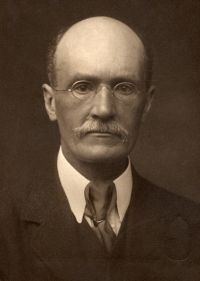
Portrait of Leigh Hunt Leigh Hunt,  Stories from the Italian Poets…

“ Thus spoke Sophronia to her lover; but not a whit was he disposed to alter his mind. Oh, great and beautiful spectacle! Love and virtue at strife;—death the prize they contend for;—ruin itself the salvation of the conqueror! But the contest irritated the king. He felt himself set at nought; felt death itself despised, as if in despite of the inflictor. "Let them be taken at their words," cried be; "let both have the prize they long for."
The youth is seized on the instant, and bound like the maiden. Both are tied to the stake, and set back to back. They behold not the face of one another.
”
Source: Gutenberg

Get perspective with Kwize: daily news enlightened by great literature