Sporting class

Definition and stakes

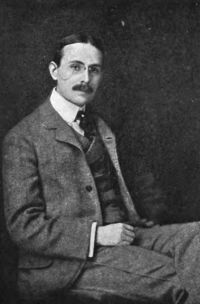
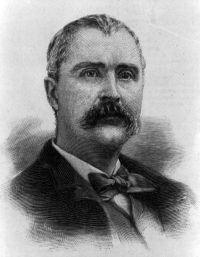
Portrait of Theodore Roosevelt Theodore Roosevelt,  Professionalism in Sports

“ In each of the larger colleges there are from fifty to a hundred men who, on the various class and college crews and ball teams, or in the track and gymnasium games, compete for the different championships; and for every one such man who actually competes there are five or ten who take part in the practice games, train more or less, and get a great deal of benefit from the work. ”
Source: Wikisource

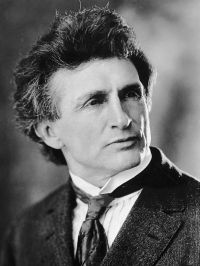
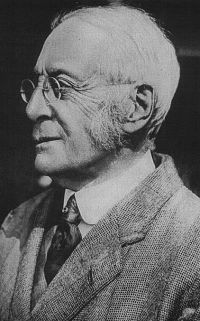
Portrait of G. Stanley Hall G. Stanley Hall,  Youth: Its Education, Regimen, and Hygiene

“ College yells, cheers, rowing, marching, processions, bicycling, running, tug-of-war, calisthenics and class gymnastics with counting, and especially with music, horseback riding, etc., are rhythmic; tennis, baseball and football, basketball, golf, polo, etc., are less rhythmic, but are concerted and intense. These latter emphasise the conflict factor, best brought out in fencing, boxing, and wrestling, and lay more stress on the psychic elements of attention and skill. ”
Source: Gutenberg

Anne Topham,  Memories of the Kaiser's Court

“ They usually know nothing at all of sport, though professing to know a good deal, as in their vocabulary sport is only another name for exercise: they fondly imagine that the man who trots on horseback every morning round the Tier-Garten, especially if he wears English gaiters and carries a hunting-crop, is a sportsman, and consider any game “sporting” where there is plenty of running—even if no demand be made on the courage, decision, quickness or other mental qualifications of the players. ”
Source: Gutenberg

Get perspective with Kwize: daily news enlightened by great literature