State capitalism

Definition and stakes

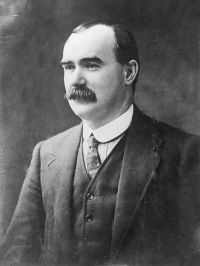
Portrait of William English Walling William English Walling,  Socialism as it is

“ Private capitalism used the State for promoting the private interests of its directors, State capitalism uses it to produce profits for its shareholders, the small farmers, as taxpayers, or in the form of profits distributed among them as consumers. Only as the government begins to take a considerable share of that increased value in land which nearly every public undertaking brings about, will all wisely managed government enterprises produce such profits. ”
Source: Gutenberg

Fabian Essays in Socialism (1908)

“ If the syndicate or the trust represents the legitimate outcome of capitalism—if it is necessary to give order to trade and to prevent the ruinous waste of unrestricted competition, how absurd it is for the State to say to the capitalist: “You shall carry your privileges of acquisition just up to the point where competition is likely to ruin you; but there you shall stop. Immediately you and your friends combine to prevent waste, to regulate production and distribution, to apply new methods of manufacture, we shall absolutely prevent you or restrain you by vexatious regulations.” ”
Source: Gutenberg

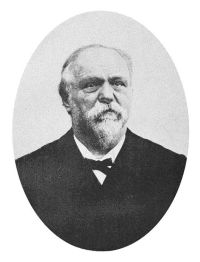
Portrait of W. H. Mallock W. H. Mallock,  A Critical Examination of Socialism

“ The state, however, is in reality nothing but a collection of individuals; and if the state, besides being a political body, is to become the sole industrial capitalist also, state capitalism, just like private capitalism, will succeed or fail in proportion to the talents of those to whom capital is intrusted as a means of directing the labourers. ”
Source: Gutenberg

Get perspective with Kwize: daily news enlightened by great literature