Station wagon

Definition and stakes

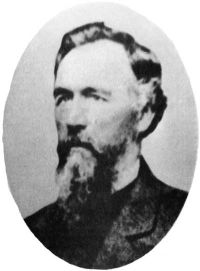
Portrait of Booth Tarkington Booth Tarkington,  The Gentleman from Indiana

“ A never intermittent procession of pedestrians and vehicles made its way to the station; and every wagon, buckboard, buggy, and cut-under had its flags or bunting, or streamer of ribbons tied to the whip. The excitement increased as the time grew shorter; those on foot struggled for better positions, and the people in wagons and carriages stood upon seats, while the pedestrians besieged them, climbing on the wheels, or balancing recklessly, with feet on the hubs of opposite wagons. ”
Source: Gutenberg

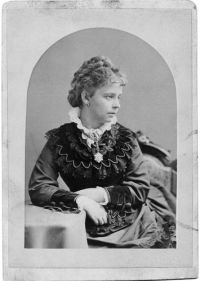
Portrait of Fredrika Bremer Fredrika Bremer,  The Homes of the New World (1853)

“ A spacious travelling-wagon, with several seats, drawn by two fat horses, and driven by a stout Shaker-brother, whom no Shaker-dancing had been able to render less fat and jolly, made their appearance, and as some of the sisters said, that as it was good for their health to take a little exercise in the open air, they too drove with us to the railway station. ”
Source: Wikisource

Carl Parcher Russell,  One Hundred Years in Yosemite: The Story of a Great Park and Its Friends

“ At the height of the season, when travel was heavy and roads dry, the Standard Concord Coach was employed. At other times, a vehicle commonly termed a “mud wagon” was put to use. During this era of horse-drawn vehicles, the trains of pack mules were, of course, replaced by great freight wagons. Today, in driving over the old wagon roads, one is led to wonder how passenger vehicles succeeded in passing the great freight outfits. ”
Source: Gutenberg

Get perspective with Kwize: daily news enlightened by great literature