Steel industry

Definition and stakes

Jacques W. Redway,  Commercial Geography

“ In a few mills armor-plate and ordinary plate for steel vessels form the exclusive product. The diversity of the product has led to the organization of great corporations, each of which controls half-a-dozen or more plants, the transportation lines necessary to carry the product, the ore quarries, and the fuel-mines.
The wonderful development of the steel industry in the United States is due to the use of labor-saving machinery, and to the superb organization. The wages paid for labor are higher than those paid in European steel-making centres; the cost of living is not materially greater.
”
Source: Gutenberg

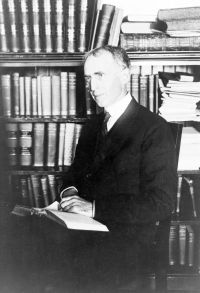
Portrait of William Z. Foster William Z. Foster,  The Great Steel Strike and its Lessons

“ Other books have been written about the steel industry. Some have concerned themselves with metallurgy, others with the commercial aspects of steel manufacture, and still others with certain phases of the labor problem. This book is different from all the others. It sets forth as no other book has, and as no other writer could, the need of the workers in this great basic industry for organization, and the extreme difficulty of achieving this essential right. ”
Source: Gutenberg

Portrait of William Z. Foster William Z. Foster,  The Great Steel Strike and its Lessons

“ In the steel industry the most skilled men are to be found in those trades actually engaged in the making and rolling of iron and steel—the melters, puddlers, shearmen, rollers, roughers, heaters, Bessemer blowers, etc. These men are paid upon a tonnage basis and generally receive considerably higher wages than the mechanical tradesmen—bricklayers, machinists, boilermakers, riggers, firemen, engineers, electrical workers, blacksmiths, etc., who build, maintain and generally operate the plants. It is among the favored tonnage trades that the Americans are especially intrenched. ”
Source: Gutenberg

Get perspective with Kwize: daily news enlightened by great literature