Steel rail

Definition and stakes

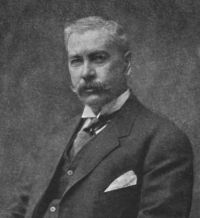
Portrait of Garet Garrett Garet Garrett,  The Cinder Buggy: A Fable in Iron and Steel

“ Many a sound, conservative, no-saying iron man was seduced by their faith to exchange his money for experience.
And all the time, bad as it was, steel kept coming more and more into use, especially,—that is to say, almost exclusively in the form of rails. And the reason the steel rail kept coming into use was that an amazing human society yet unborn, one that should have shapes, aspects, wants, powers and pastimes then undreamed of, was calling for it,—calling especially for the steel rail.
”
Source: Gutenberg

William Hemingway Mills,  Railway Construction

“ Valuable and interesting statistics have from time to time been recorded, with a view to ascertain the average life of a steel rail, by obtaining the number of million tons of train load which it would sustain before it became worn down to such an extent as to be no longer of service on the line. It will be readily understood that the rate of wear of a steel rail will depend not only on the weight and section of the rail itself, but on the class of rolling-stock, and the description of traffic it has to carry. ”
Source: Gutenberg

Edward Hungerford,  The Modern Railroad

“ One of the strongest points in favor of steel in car-construction is that of the economy of its maintenance, always a strong point with railroad men. The wooden car feels the wear and tear of life upon the rail keenly; in the case of a wreck it is not to be even compared with the steel car.
It should not be forgotten, though, that the railroads have many thousands of wooden passenger-coaches still in service, and the substitution of steel equipment for these has only just begun.
”
Source: Gutenberg

Get perspective with Kwize: daily news enlightened by great literature