Stranding

Definition and stakes

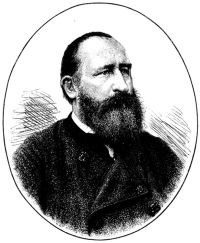
Portrait of Joseph Conrad Joseph Conrad,  The Mirror of the Sea (1924 (first published in 1906))

“ IT IS difficult for a seaman to believe that his stranded ship does not feel as unhappy at the unnatural predicament of having no water under her keel as he is himself at feeling her stranded.
Stranding is, indeed, the reverse of sinking. The sea does not close upon the water-logged hull with a sunny ripple, or maybe with the angry rush of a curling wave, erasing her name from the roll of living ships. No. It is as if an invisible hand had been stealthily uplifted from the bottom to catch hold of her keel as it glides through the water.
”
Source: Wikisource

Thomas Fleming Day,  On Yachts and Yacht Handling

“ Had he taken in sail, and pulled her off stern first, she would have floated long enough to have got into harbor.
Having considered accidental stranding, let us now consider voluntary stranding—that is, the running of a vessel ashore to save the vessel or the life of her crew. Let us suppose that you are caught on a lee shore, and for some reason cannot claw off. You are bound to go ashore anyhow, and in order to give the boat and people a chance decide to run in and strand her.
If the shore under your lee is rock I can do nothing for you.
”
Source: Gutenberg

Nathan Clifford,  Star of Hope — Opinion of the Court

“ It is also decided in these cases, that where a ship has been voluntarily stranded, the circumstance that she is thereby lost strengthens rather than destroys her claim for contribution against the cargo saved by the sacrifice.
3. That though the vessel may have been in the most imminent danger of being stranded by the force of the elements, yet, if the actual stranding is the immediate result of human agency, and is different from the one impending, and effected for the common safety, the case is one for general average.
”
Source: Wikisource

Get perspective with Kwize: daily news enlightened by great literature