Subjunctive mood

Definition and stakes

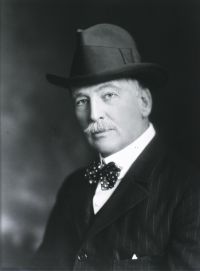
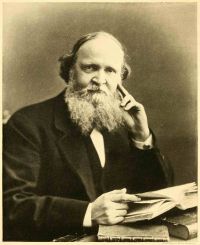
Portrait of Goold Brown Goold Brown,  The Grammar of English Grammars (1882)

“ In short, the idea of a "subjunctive mood in the indicative form," (which is adopted by Chandler, Frazee, Fisk, S. S. Greene, Comly, Ingersoll, R. C. Smith, Sanborn, Mack, Butler, Hart, Weld, Pinneo, and others,) is utterly inconsistent with any just notion of what a mood is; and the suggestion, which we frequently meet with, that the regular indicative or potential mood may be thrown into the subjunctive by merely prefixing a conjunction, is something worse than nonsense. Indeed, no mood can ever be made a part of an other, without the grossest confusion and absurdity. ”
Source: Wikisource

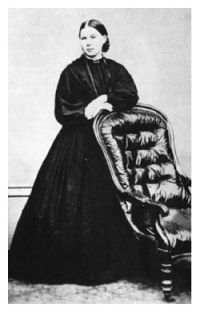
Portrait of Helen Schucman Helen Schucman,  A Course in Miracles — The Illusions of the Ego

“ I have said that you cannot change your mind by changing your behavior, but I have also said, and many times, that you can change your mind. When your mood tells you that you have chosen wrongly, and this is so whenever you are not joyous, then know this need not be. In every case you have thought wrongly about some brother God created, and are perceiving images your ego makes in a darkened glass. ”
Source: Wikisource

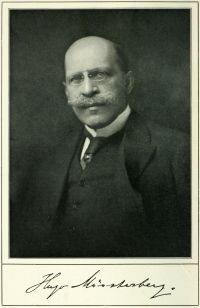
Portrait of Morton Prince Morton Prince,  The unconscious (1921)

“ The natural consequence is restlessness, agitation, anger, indecision, etc. The dissociation of personality, with the outcropping of the “b mood,” follows—a conflict due to the excitation of certain childhood complexes, conserved in the unconscious and embracing sentiments in which are incorporated the instinct of self-subjection or abasement. This “b mood” is a study in itself. ”
Source: Gutenberg

Get perspective with Kwize: daily news enlightened by great literature