Teratology

Definition and stakes

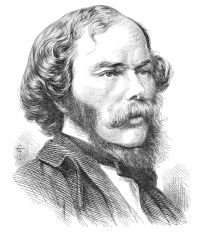
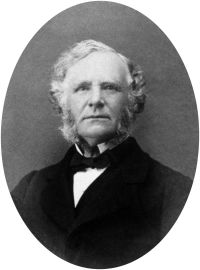
Portrait of Maxwell T. Masters Maxwell T. Masters Vegetable Teratology

It is sometimes said, and not wholly without truth, that teratology, as it stands at present, is little more than a record of facts, but in proportion as the laws that regulate normal growth are better understood, so will the knowledge of those that govern the so-called monstrous formations increase.
Source: Gutenberg

Portrait of Maxwell T. Masters Maxwell T. Masters Vegetable Teratology

Already teratology has done much towards showing the erroneous nature of many morphological statements that still pass current in our text-books, though their fallacy has been demonstrated again and again. Thus organs are said to be fused which were never separate, disjunctions and separations are assigned to parts that were never joined, adhesions and cohesions are spoken of in cases where, from the nature of things, neither adhesion nor cohesion could have existed. Some organs are said to be atrophied which were never larger and more fully developed than they now are, and so on.
Source: Gutenberg

Portrait of Maxwell T. Masters Maxwell T. Masters Vegetable Teratology

That teratology may serve the purposes of systematic botany to a greater extent than might at first be supposed becomes obvious from a consideration of such facts as are mentioned under the head of Peloria, while the presence of rudimentary organs, or the occasional appearance of additional parts, or other changes, may, and often do, afford a clue to the relationship existing between plants—a relationship that might otherwise be unsuspected.
Source: Gutenberg

Get perspective with Kwize: daily news enlightened by great literature