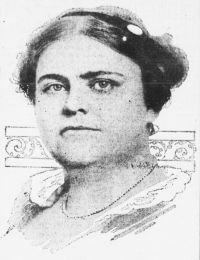
Theatrical manager

Definition and stakes

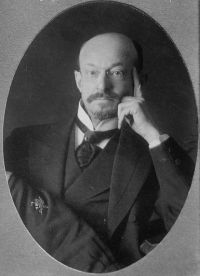
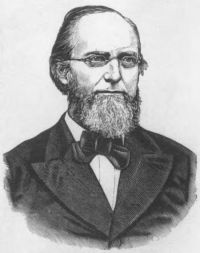
Portrait of George Augustus Sala George Augustus Sala,  Twice round the clock; or, The hours of the day and night in London (1862)

“ I wonder how many people there are who see the manager airing his white waistcoat in his especial stage-box, or envy him as he drives away from the theatre in his brougham, or joyfully takes his cheque on Ransom’s for that last “stunning” and “screaming” new farce that forty pounds were given for, and that ran four nights; I wonder how many of these outsiders of the theatrical arcana know what a persecuted, hunted dog, a genteel galley-slave, a well-dressed Russian serf, is the theatrical manager. ”
Source: Gutenberg

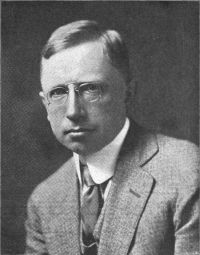
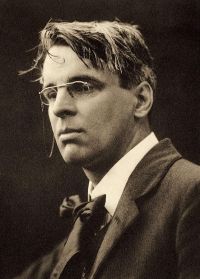
Portrait of Arnold Bennett Arnold Bennett,  The Author's Craft

“ Nevertheless, even the theatrical manager, while disclaiming the slightest interest in anything more vital to the stage than the box-office, is himself in some degree a collaborator, and is the first to show to the dramatist that a play is not a play till it is performed. ”
Source: Gutenberg

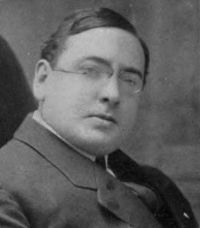
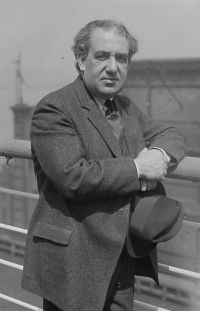
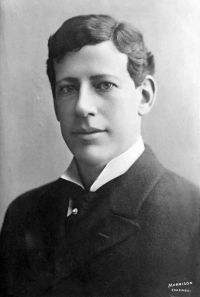
Portrait of Daniel Frohman Daniel Frohman,  Charles Frohman: Manager and Man

“ When Frohman was asked to define success in theatrical management he made this answer:
"The terms of success in the theater seem to me to be the co-operating abilities of playwright and actor with the principal burden on the actor. In other words, the play is not altogether 'the thing.' The right player in the right play is the thing."
The shaping of William Gillette's career is a good example of Frohman's definition of a successful theatrical manager, whose best skill and talents are employed largely in the matter of manipulating a hard-minded person to mutual advantage.
”
Source: Gutenberg

Get perspective with Kwize: daily news enlightened by great literature