Tone (sound)

Definition and stakes

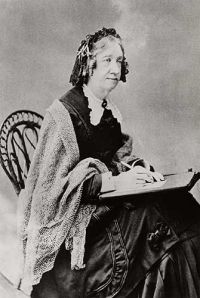
Joseph Haven,  Mental Philosophy: Including the Intellect…

“ Power of Sound over the Mind.—The power of sound to affect the mind, and especially the feelings, is too well known to require specific statement. The note of an instrument, the tone of a human voice, the wild warbling of a bird, the tinkling of a bell, the variations of speech and of song, from the high and shrill to the low and heavy intonation, from the quick and impetuous to the slow and plaintive movement, these simple varieties of tone affect powerfully the heart, and find their way at once and irresistibly to the feelings. ”
Source: Gutenberg

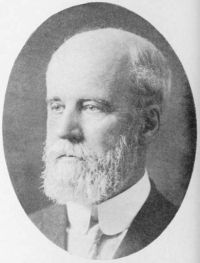
Paull F. Baum,  The Principles of English Versification

“ In speech this intensity is called accent or stress.
The third characteristic, variously called quality, timbre, tone-quality, tone-color, is that which distinguishes sounds of the same loudness and pitch produced by different instruments or voices. It is the result of the combination of the partial tones of a sound, that is, of the fundamental and its overtones. In music, tone-quality is of the utmost importance, but as an element of speech rhythm it is practically non-existent, and may be wholly neglected, though it plays, of course, a prominent part in the oral reading of different persons.
”
Source: Gutenberg

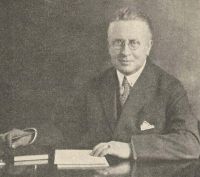
Carl E. Seashore,  Why We Love Music (1941)

“ Like colors, sounds may be beautiful in themselves, quite apart from music. A single sound in nature or art is capable of appearing in endless variety in terms of pitch, dynamic value, duration, tone quality, and noise. It may be an object of beauty in itself in thousands of ways quite apart from its utility in music or musical perception. We find the tonal world in which we live full of beautiful and useful sounds which we love because we are capable of intellectual and emotional response to their beneficent influence. They play a large role in our feelings of attraction and adjustment. ”
Source: Gutenberg

Get perspective with Kwize: daily news enlightened by great literature