Tone (voice)

Definition and stakes

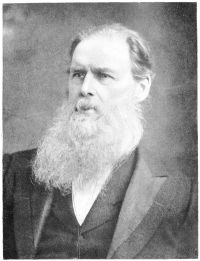
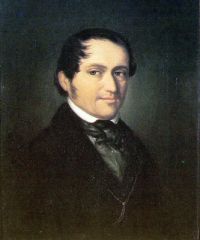
Portrait of Harriet Beecher Stowe Harriet Beecher Stowe,  Household Papers and Stories

“ A voice which has no grate, no strain, which flows without effort,—which does not labor eagerly up to a high note, but alights on it like a bird from above, there carelessly warbling and trilling,—a voice which then without effort sinks into broad, rich, sombre depths of soft, heavy chest-tone,—can come only with a physical nature at once strong, wide, and fine,—from a nature such as the sun of Italy ripens, as he does her golden grapes, filling it with the new wine of song. ”
Source: Gutenberg

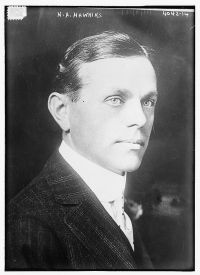
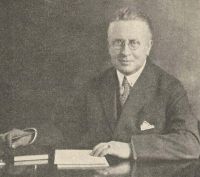
Portrait of Robert W. Chambers Robert W. Chambers,  Iole

“ Meanwhile the poet’s rich, resonant voice filled the studio with an agreeable and rambling monotone:
“Verse is a vehicle for expression; expression is a vehicle for verse; sound, in itself, is so subtly saturated with meaning that it requires nothing of added logic for its vindication. Sound, therefore, is sense, modified by the mysterious portent of tone. Thank you for understanding, thank you for a thought—very, very precious, a thought beautiful.”
”
Source: Gutenberg

Edmund J. Myer,  The Renaissance of the Vocal Art

“ Sing a tone, about the middle of the voice, without other thought than that of simply pure, free tone. It will be found that in the most beautiful voice the tone will be common-place, meaningless; in many voices it will be simply sound. Now place yourself in every way upon a higher, a more lofty plane. Think of higher ideas and ideals. In other words, idealize the tone. Remember, the ideal is the truth, and not exaggeration. Appeal to your emotional energy, the singer's sensation, and give expression to thought and feeling aroused in this way. ”
Source: Gutenberg

Get perspective with Kwize: daily news enlightened by great literature