Treasury collector

Definition and stakes

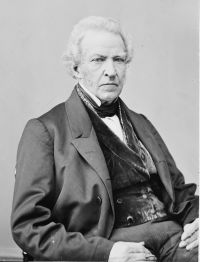
Portrait of James Moore Wayne James Moore Wayne,  Broome v. United States — Opinion of the Court

“ The collector, too, has always been a disbursing officer for the payment of the expenses of his office, and may pay them out of any money in hand, whether received from duties or from remittances to him for that purpose, where the expenses are not unofficial, have been sanctioned by law, and have been incurred by the direction of the Secretary of the Treasury. ”
Source: Wikisource

Nathan Clifford,  City of Philadelphia v. The Collector…

“ But the third section of the act of the third of March, 1865, requires collectors to pay daily into the treasury the gross amount of all duties, taxes, and revenue received or collected in virtue of the internal revenue acts, without any abatement or deduction on account of salary, compensation, fees, costs, charges, expenses, or claims of any description whatever. ”
Source: Wikisource

Samuel Nelson,  Hoyt v. United States — Opinion of the Court

“ I. The collector is the officer who receives all the duties, is consequently chargeable with the whole amount, and can discharge himself from that liability only by showing duty bonds unpaid, and cash paid to, or legally for, the government.
II. The certified accounts from the Treasury Department being made up from the collector's quarterly returns, and agreeing with the quarterly accounts, except in the items specifically disallowed by the comptroller, are prima facie evidence that the amount stated as the balance is due from the collector to the government.
”
Source: Wikisource

Get perspective with Kwize: daily news enlightened by great literature