Treaty-making power

Definition and stakes

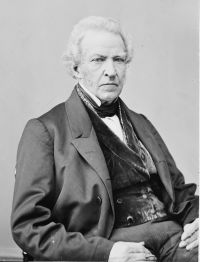
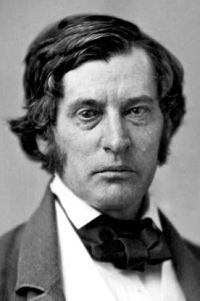
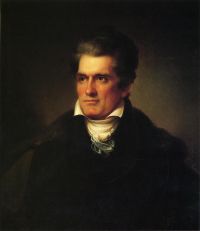
Portrait of John C. Calhoun John C. Calhoun,  Works of John C. Calhoun (1854)

“ The powers embraced by, or appertaining to foreign relations, are left to be regulated by the treaty-making power, or by Congress; and, if by the latter, are enumerated and specifically delegated. They embrace a large portion of its powers. But those relating to the exterior relations of the States among themselves, with few exceptions, are regulated by provisions inserted in the constitution itself. To this extent, it is, in fact, a treaty — under the form of a constitutional compact — of the highest and most sacred character. ”
Source: Wikisource

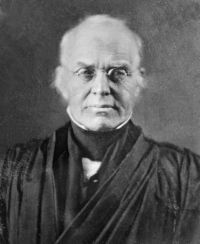
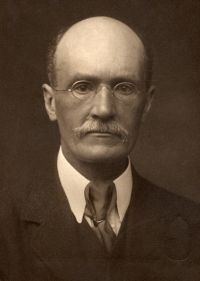
Edward Douglass White,  Downes v. Bidwell — Opinion of the Court

“ When the various treaties by which foreign territory has been acquired are considered in the light of the circumstances which surrounded them, it becomes to my mind clearly established that the treaty-making power was always deemed to be devoid of authority to incorporate territory into the United States without the assent, express or implied, of Congress, and that no question to the contrary has ever been even mooted. ”
Source: Wikisource

Portrait of John Taylor of Caroline John Taylor of Caroline,  An Inquiry into the Principles and Policy of the Government of the United States (1814)

“ The treaty miking power is purely executive, or at least the entire natural sovereignty of the country, is excluded from sharing in it. By "natural," I mean the people. State governments are artificial beings, and nearly the whole treaty making power is the creature of these artificial beings. It is not meant to discuss the propriety of making law by treaties, without the assent of the natural sovereignty or its representative, and by a moiety of a legislature, but this mode of legislation is exhibited to illustrate the defectiveness of judicial responsibility to the sovereignty. ”
Source: Wikisource

Get perspective with Kwize: daily news enlightened by great literature