Turtle dove

Definition and stakes

C. G. Schillings,  In Wildest Africa, Vol. 1

“ One could feel the cold in the night, but the quick coming warmth of the equatorial sun’s rays has soon roused the animal world to active life. There is the cry and call of the francolins on all sides. But the chief part in this early concert is taken by the thousands of turtle-doves, flying from all directions to the water. Everywhere a murmuring and cooing, that the Masai are able to re-echo so incomparably in the name of the turtle-dove in their language—“‘Ndurgulyu.” As an accompaniment to this, there is the rustling and wing-clapping of all the feathered visitors at the water. ”
Source: Gutenberg

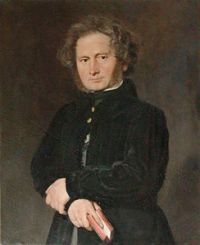
Portrait of John James Audubon John James Audubon,  Ornithological Biography (1831)

“ A few individuals sometimes mix with the Wild Pigeons, as do the latter sometimes with the Doves.
The Turtle Dove may with propriety be considered more as a gleaner than as a reaper of the husbandman's fields, scarcely ever committing any greater depredation than the picking up a few grains in seed-time, after which it prefers resorting to those fields from which the grain has been cut and removed. It is a hardy bird, and stands the severest winters of our Middle States, where some remain the whole year.
”
Source: Wikisource

Portrait of Louis Figuier Louis Figuier,  Reptiles and Birds

“ Although naturally wild, the Turtle Dove is easily tamed when taken young, when it evinces great attachment.
The Ring Dove is indigenous to Africa, where it lives in a state of freedom. This is the species which, in Europe, is raised in cages and aviaries. In certain towns of Egypt, particularly Alexandria and Cairo, they are so tame that they walk in the streets, and even enter houses, fearless of the presence of occupants. They are prolific, for they lay every month, except during the moulting season.
”
Source: Gutenberg

Get perspective with Kwize: daily news enlightened by great literature