Utility (service)

Definition and stakes

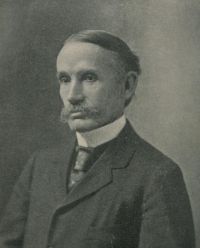
Portrait of John Bates Clark John Bates Clark,  Essentials of Economic Theory

“ How Unlike Services may be rendered by One Good at the Same Time.—What people want of any useful thing is an effect in themselves,—a pleasure or a benefit which they expect to get,—and apart from this subjective result they would not want the thing at all. The power to confer a particular benefit is a utility. Men buy goods solely for their utilities, and they measure these service-rendering powers in the things offered to them and pay for them accordingly. ”
Source: Gutenberg

Geo. T. Fairchild,  Rural Wealth and Welfare: Economic Principles Illustrated and Applied in Farm Life

“ First, the article or service must have utility—that is, it must be useful in satisfying somebody's wants, either present or future. Second, those wants must be of such a nature that effort on the part of some human being will be necessary to gratify them. Nothing which can be had at all [pg 066] times by mere desire of it can have value. Third, the object must be of such a nature as to command other services or exchange of other wealth. ”
Source: Gutenberg

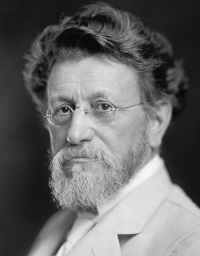
Portrait of Thorstein Veblen Thorstein Veblen,  The Theory of the Leisure Class

“ Personal service holds a peculiar place in the economic development. During the stage of quasi-peaceable industry, and especially during the earlier development of industry within the limits of this general stage, the utility of their services seems commonly to be the dominant motive to the acquisition of property in persons. Servants are valued for their services. But the dominance of this motive is not due to a decline in the absolute importance of the other two utilities possessed by servants. ”
Source: Gutenberg

Get perspective with Kwize: daily news enlightened by great literature