Venous blood

Definition and stakes

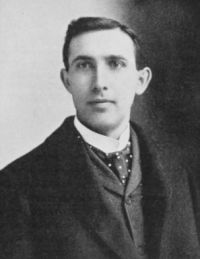
Portrait of George Albert Boulenger George Albert Boulenger,  The Cambridge natural history, Vol… (1904)

“ Although in most instances the organs of the body are supplied with arterialised blood conveyed to them by arteries, there are nevertheless cases in which an organ may receive venous blood by a vein in addition to arterial blood supplied by an artery. For example, the capillaries of the liver not only receive blood from the hepatic artery, but also venous blood by a large vein (hepatic portal vein) , formed by the union of a number of smaller veins by which venous blood is collected from the capillaries of the stomach, intestine, spleen, and pancreas. ”

Source: Gutenberg

Ira Mayhew,  Popular Education

“ On reaching this extreme point of its course, the blood passes into equally minute ramifications of the veins, which in their turn gradually coalesce, and form larger and larger trunks, till they at last terminate in two large veins, by which the whole current of the venous blood is brought back in a direction contrary to that of the blood in the arteries, and poured into the right side of the heart. On examining the quality of the blood in the arteries and veins, it is found to have undergone a great change in its passage from the one to the other. ”
Source: Gutenberg

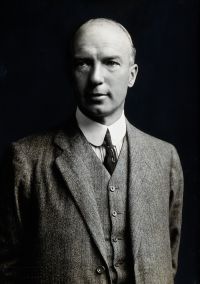
Portrait of Erasmus Darwin Erasmus Darwin,  Zoonomia, or, the Laws of Organic Life… (1796)

“ Now if any branch of the venous system loses its power of absorption, the part swells, and at length bursts and discharges the blood, which the capillaries or other glands circulate through them.
It sometimes happens that the large external veins of the legs burst, and effuse their blood; but this occurs most frequently in the veins of the intestines, as the vena portarum is liable to suffer from a schirrus of the liver opposing the progression of the blood, which is absorbed from the intestines.
”
Source: Wikisource

Get perspective with Kwize: daily news enlightened by great literature