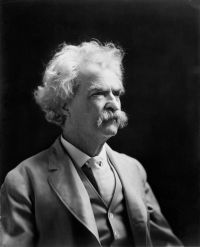
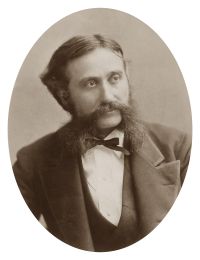
Volatility, in chemistry, refers to a substance's tendency to evaporate, influenced by factors such as vapor pressure and molecular arrangement. This characteristic underlies processes like distillation and the behavior of materials in various states. Scholars have examined volatility in a range of contexts: Michael Faraday investigated its role in the liquefaction of gases, highlighting its connection to elasticity, while financial analysts such as Arthur Crump and Henry Howard Harper used the term metaphorically to describe market instability, portraying speculation as unpredictable.
Joseph Hatton characterized volatile stock markets as fluctuating between stability and chaos, reflecting the dual nature of the chemical concept. These differing perspectives illustrate volatility as a notion linking physical science with economic trends, emphasizing its broad significance in understanding change and transformation.
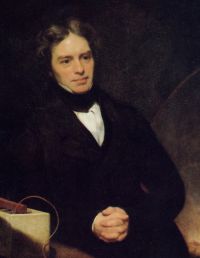 Michael Faraday,
The Liquefaction of Gases
(1896)
Michael Faraday,
The Liquefaction of Gases
(1896)