Voluntary movement

Definition and stakes

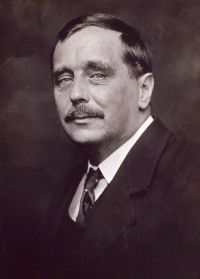
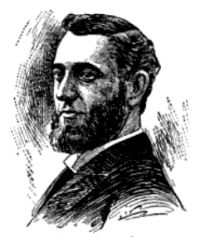
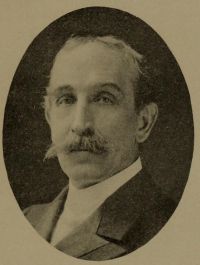
Payton Spence,  Popular Science Monthly (1878)

“ The growth of a voluntary movement is an organic procedure, not such a mechanical process as that. That would, indeed, make the organization a machine for the mind to manipulate, instead of the mind being (as we think we can easily show) but a symbolical representation in consciousness of the workings of certain parts of the organization—the brain. Then, when we have mastered a voluntary movement, all that we have really learned is that we can make it. ”
Source: Wikisource

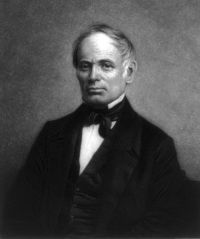
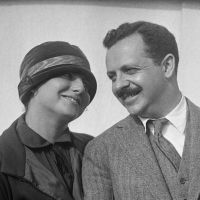
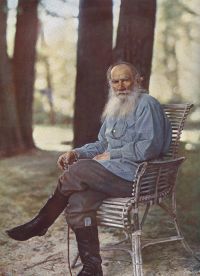
Portrait of Leo Tolstoy Leo Tolstoy,  The Slavery of Our Times

“ To what extent and when voluntary agreement, confirmed by custom, will replace violence in each society and in the whole world will depend on the strength and clearness of people's consciousness and on the number of individuals who make this consciousness their own. Each of us is a separate person, and each can be a participator in the general movement of humanity by his greater or lesser clearness of recognition of the aim before us, or he can be an opponent of progress. ”
Source: Wikisource

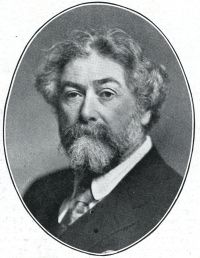
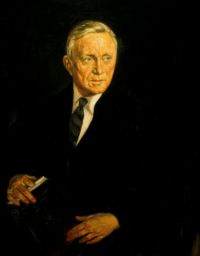
Portrait of John Stuart Mill John Stuart Mill,  Principles of Political Economy (1871)

“ The same admirable qualities by which the associations were carried through their early struggles, maintained them in their increasing prosperity. Their rules of discipline, instead of being more lax, are stricter than those of ordinary workshops; but being rules self-imposed, for the manifest good of the community, and not for the convenience of an employer regarded as having an opposite interest, they are far more scrupulously obeyed, and the voluntary obedience carries with it a sense of personal worth and dignity. ”
Source: Wikisource

Get perspective with Kwize: daily news enlightened by great literature