War council

Definition and stakes

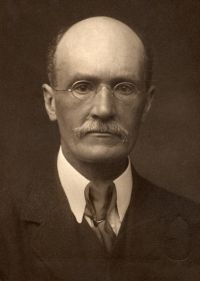
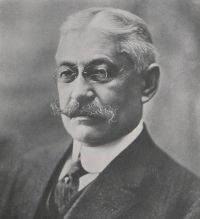
Portrait of Harold Spender Harold Spender,  The Prime Minister

“ One is the safety and honour of his own country.
He regarded that as involved in his proposal to reform the machinery of war-control.
He had come to the conclusion that a smaller and stronger authority was absolutely necessary for the prosperous conduct of the war. He also held, with equal strength of conviction, that no man could bear at the same time the double burden of parliamentary leadership and of the day-by-day task of Chairmanship of the new War Council, with its entirely full and detailed responsibility for the conduct of the war.
”
Source: Gutenberg

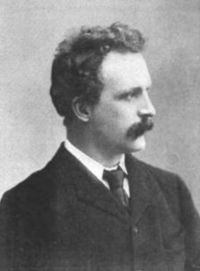
Portrait of Cyrus Townsend Brady Cyrus Townsend Brady,  For Love of Country: A Story of Land and Sea in the Days of the Revolution

“ Action, prompt, bold, decisive, was as the breath of life to him; but before coming to a decision, contrary to the custom of great commanders generally, he usually called a council of war, which, on account of his excessive modesty, he sometimes allowed to overrule his own better judgment, to the great detriment of the cause. Alone he was superb! Given equal resources, the world has not seen a general with whom he could not successfully be matched. ”
Source: Gutenberg

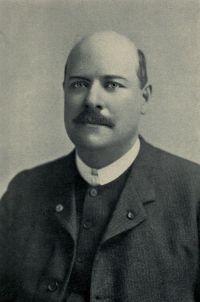
J. G. Wood,  The uncivilized races of men in all countries of the world… (1875)

“ The Supreme Council treats only of the internal management of the nation, and is technically called the Council of Peace. As soon as war is declared, the Council of Peace falls into abeyance, and its place is taken by the Council of War. This is headed by the Toqui of War, who, as long as the war lasts, has unlimited power, except over life. He appoints the officers, settles the number of warriors required, orders a conscription to be set in operation in each district, and lays upon each cacique the duty of levying a certain number of men, and raising a certain amount of supplies. ”
Source: Gutenberg

Get perspective with Kwize: daily news enlightened by great literature