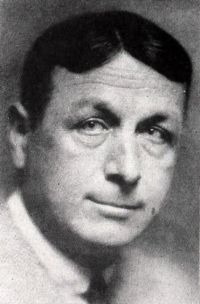
The concept of "perpetrator" refers to an individual who commits a crime or wrongdoing, often central to narratives examining guilt, justice, and moral responsibility. Authors such as Emerson Hough stress the legal and societal need to identify and censure those responsible, while William Russell complicates this role by casting doubt on innocence and the possibility of external influence.
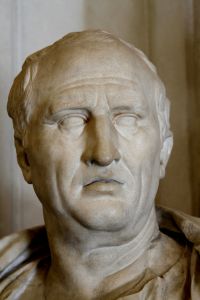
Richard Marsh’s dialogue highlights the conflict between self-accusation and moral uncertainty, and Cicero’s historical speech underscores the judicial examination necessary to differentiate guilt from mere suspicion. These diverse perspectives portray the perpetrator as a figure involved in legal, ethical, and psychological complexities, reflecting wider societal concerns about wrongdoing and punishment.
 Emerson Hough,
The Broken Gate: A Novel
Emerson Hough,
The Broken Gate: A Novel