Watch (guard)

Definition and stakes

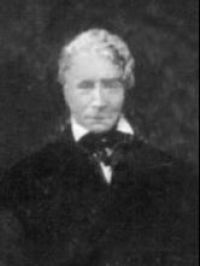
Portrait of Rudyard Kipling Rudyard Kipling,  Plain Tales from the Hills — Watches of the Night (1889)

“ Platte, the Subaltern, being poor, had a Waterbury watch and a plain leather guard.
The Colonel had a Waterbury watch also, and for guard, the lip- strap of a curb-chain. Lip-straps make the best watch guards. They are strong and short. Between a lip-strap and an ordinary leather guard there is no great difference; between one Waterbury watch and another there is none at all. Every one in the station knew the Colonel's lip-strap.
”
Source: Wikisource

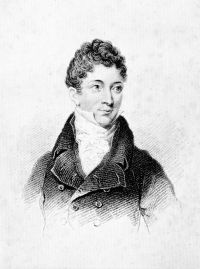
Portrait of Charles Egbert Craddock Charles Egbert Craddock,  The amulet: A novel (1906)

“ A break in the dull monotony can never be so welcome as to a dreary night-watch. He experienced a sense of absolute pleasure in the regulation appearance of the officer of the day, crossing the parade and challenged by the sentinel before the guard-house door. The brisk turning out of the guard was like a reassurance of the continued value and cheer of life. The flare from the guard-house door showed the lines of red uniforms, the glitter of the bayonets, the muskets carried at “shoulder arms!” ”
Source: Gutenberg

Reverend M. Holland,  Once a Week (1863)

“ The pliers for cutting watch-guards are very strong, and do their work in an instant; but these instruments are not generally used. Most thieves break the watch from the guard by the following quick and easy method:—The watch is tightly grasped in the left hand, the powerful and fleshy part of the thumb resting on the part of the watch where the stud and ring are attached. ”
Source: Wikisource

Get perspective with Kwize: daily news enlightened by great literature