White clothing

Definition and stakes

Portrait of Émile Zola Émile Zola,  The Ladies' Paradise: A Realistic Novel

“ Then there was another room devoted to the baby linen, where the voluptuous snowy whiteness of woman's clothing developed into the chaste whiteness of the infant: an innocence, a joy, the young wife become a mother, flannel garments, chemises and caps large as doll's things, baptismal dresses, cashmere pelisses, the white down of birth, like a fine shower of white feathers. ”
Source: Gutenberg

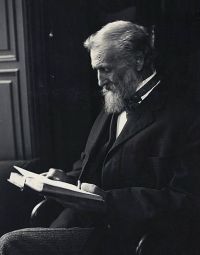
Portrait of Benjamin Ward Richardson Benjamin Ward Richardson,  Popular Science Monthly (1880)

“ The light-colored dress is at once the warmest and the healthiest. In the Arctic regions white is the prevailing color of the animal that most retains its warmth. The same color is also best adapted for summer wear, for that which is negative to cold does not absorb heat. The objection made to white clothing is, that it so soon becomes dirty, or, correctly speaking, that it more quickly than darker fabrics shows the presence of dirt. ”
Source: Wikisource

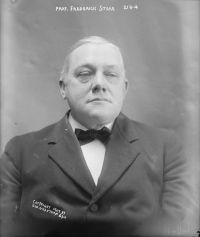
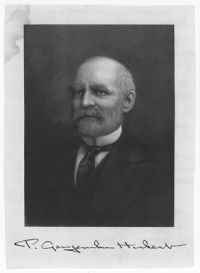
Portrait of Frederick Starr Frederick Starr,  In Indian Mexico (1908)

“ However that may be, both men and women are usually dressed in clean white clothing. The enaguas of the women are plain white; their belts have a foundation of white cotton, but raised designs of black wool are so thickly worked upon them that the white is quite inconspicuous.
The camisas and quichiquemils are generally white, with a vertical band of red, and with a few animal figures. Women wear many necklaces of bright beads, and braid their hair into two braids, which end with tapes of various colors,—brown, red, green, maroon, and black.
”
Source: Gutenberg

Get perspective with Kwize: daily news enlightened by great literature