Wigeon

Definition and stakes

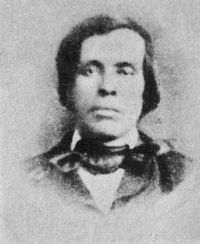
Portrait of William Henry Hudson William Henry Hudson,  British birds (1921)

“ Next to the mallard, the wigeon is the most familiar freshwater duck in the British Islands. Its abundance, handsome plumage, peculiar voice, and interesting habits, to say nothing of its excellence as an article of food, contribute to make it well known. It is a visitor in winter in very large numbers to our coasts, and seeks its food both on the tidal flats and on inland waters throughout the country, but is always most abundant in the vicinity of the sea. ”

Source: Gutenberg

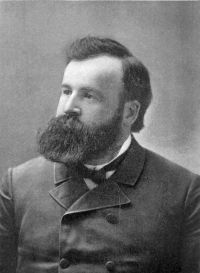
Portrait of Charles Dixon Charles Dixon,  British Sea Birds

“ The Wigeon, whilst with us, is one of the most gregarious of the Ducks, and flocks of vast size may sometimes be observed in our shallower seas close inshore, in estuaries and bays, but perhaps more frequently further out at sea. These birds obtain most of their food at night in such localities where they are subjected to much persecution, as often happens, for their flesh is valued as an article for the table, coming landwards at dusk, and retiring to the open sea at dawn. ”
Source: Gutenberg

Alfred Newton,  1911 Encyclopædia Britannica (1911)

“ In habits the wigeon differs not a little from most of the Anatinae. It greatly affects tidal waters during the season of its southern stay, and becomes the object of slaughter to hundreds of gunners on the coasts of Britain and Holland, but, when it resorts to inland localities, as it also does to some extent, it passes much of its time in grazing, especially by day, on the pastures which surround the lakes or moors that it selects. ”
Source: Wikisource

Get perspective with Kwize: daily news enlightened by great literature